

In 1980, Nintendo hands a young designer named Shigeru Miyamoto a strange assignment: turn a warehouse of unsold arcade cabinets — leftover from a flopped game called Radar Scope — into something people will pay to play. Miyamoto has never designed a game before, but he has an idea: a love triangle. A hero, a brute, and the woman between them. He wants to license Popeye, Bluto, and Olive Oyl — characters people already love, with a rivalry already built in.
The license falls through. Nintendo can’t get the rights.
So Miyamoto keeps the shape of the story and replaces the cast. The brute becomes a gorilla. The woman becomes Pauline. And the hero — built for a spinach-fueled sailor — becomes a short, mustached carpenter in overalls, because that’s what the hardware’s tiny sprites could actually render. Nintendo doesn’t even name him at first; he’s just “Jumpman,” later renamed Mario after the landlord of Nintendo’s American office.
Donkey Kong ships in 1981 and becomes Nintendo’s first real American hit. The unnamed placeholder born out of a dead licensing deal goes on to become the best-selling video game character of all time.
What the Wall Was For
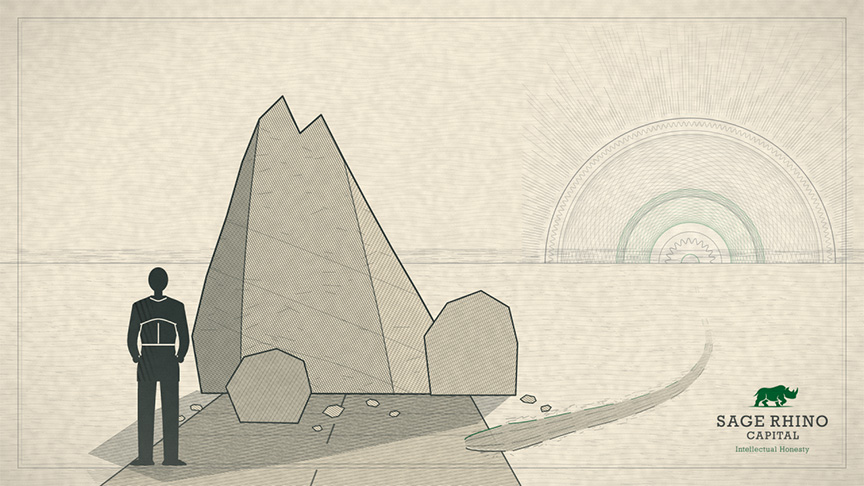
Miyamoto didn’t get a worse outcome because Popeye fell through. He got a different one — and it’s worth contemplating how easily it could have gone the other way. If Nintendo had secured that license, the best case is a solid Popeye arcade game. Popeye already existed. Popeye already had ceilings. There was no version of “license the Popeye deal” that ends with the best-selling video game character of all time, because Popeye wasn’t Nintendo’s to build into that.
It’s easy to say in hindsight that Popeye falling through was good for Nintendo. But the team didn’t have that luxury — they had no option. Nobody in that room in 1980 thought “good, now we get to build something better.” They thought they’d lost the thing that made the plan work.
We See This All the Time
For a founder, this is the pivot — the version of the company you didn’t set out to build, arrived at only because the first version hit a wall it couldn’t get through. Same instinct that made the original idea worth pursuing, redirected at whatever’s actually still standing.
For an early employee, it’s the swing — joining, staying, betting real years on equity in something unproven, when the safer path was already available and nobody would’ve blinked if you’d taken it. The obstacle isn’t a licensing deal falling through; it’s the absence of certainty itself, and the choice to build toward something anyway.
Different obstacle, same shape: something you were counting on doesn’t hold, and what you do next determines whether that’s the end of the story or the start of a better one.
The Reframe
“You don’t make the pivot because you know it’ll be better. You make it because the original door is gone — and sometimes what’s on the other side turns out to be the whole reason it worked.”
Sources
Wikipedia (Mario, Donkey Kong) and Nintendo Life, reporting on a surviving Miyamoto design document showing the original Popeye-based character concepts for Donkey Kong, for the licensing-fallout origin story.